Leading Design and Production for a Narrative Puzzle-Platformer
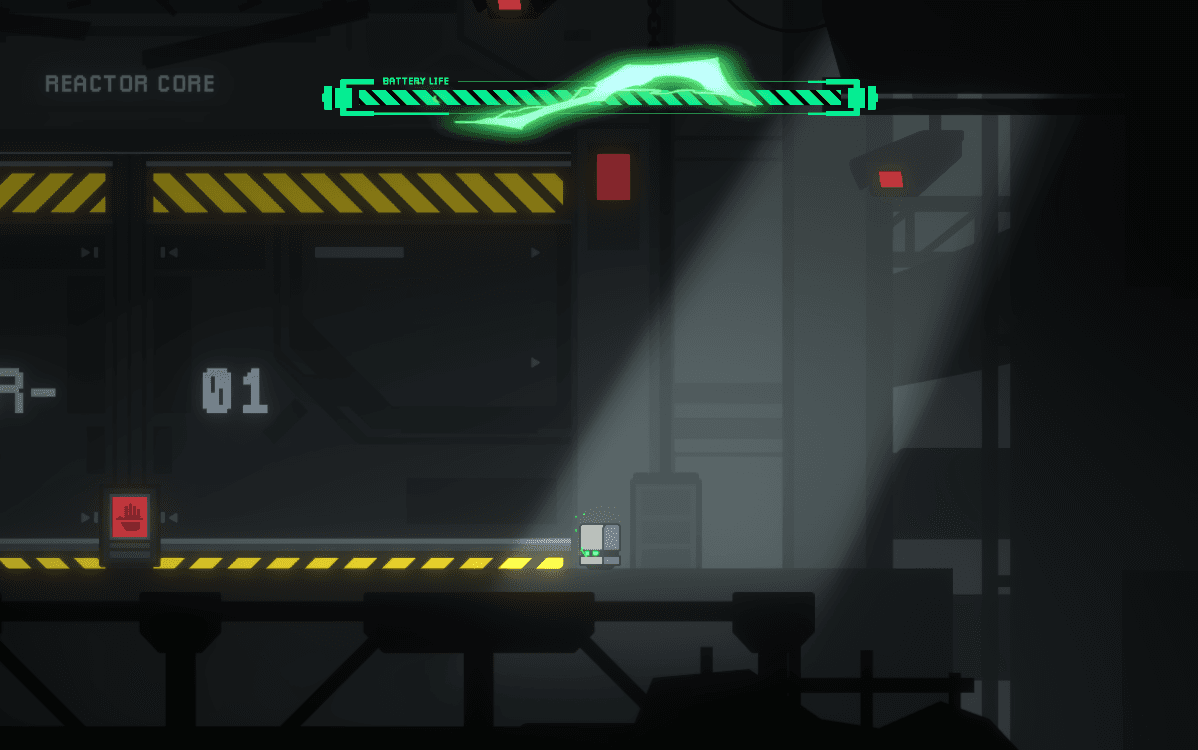
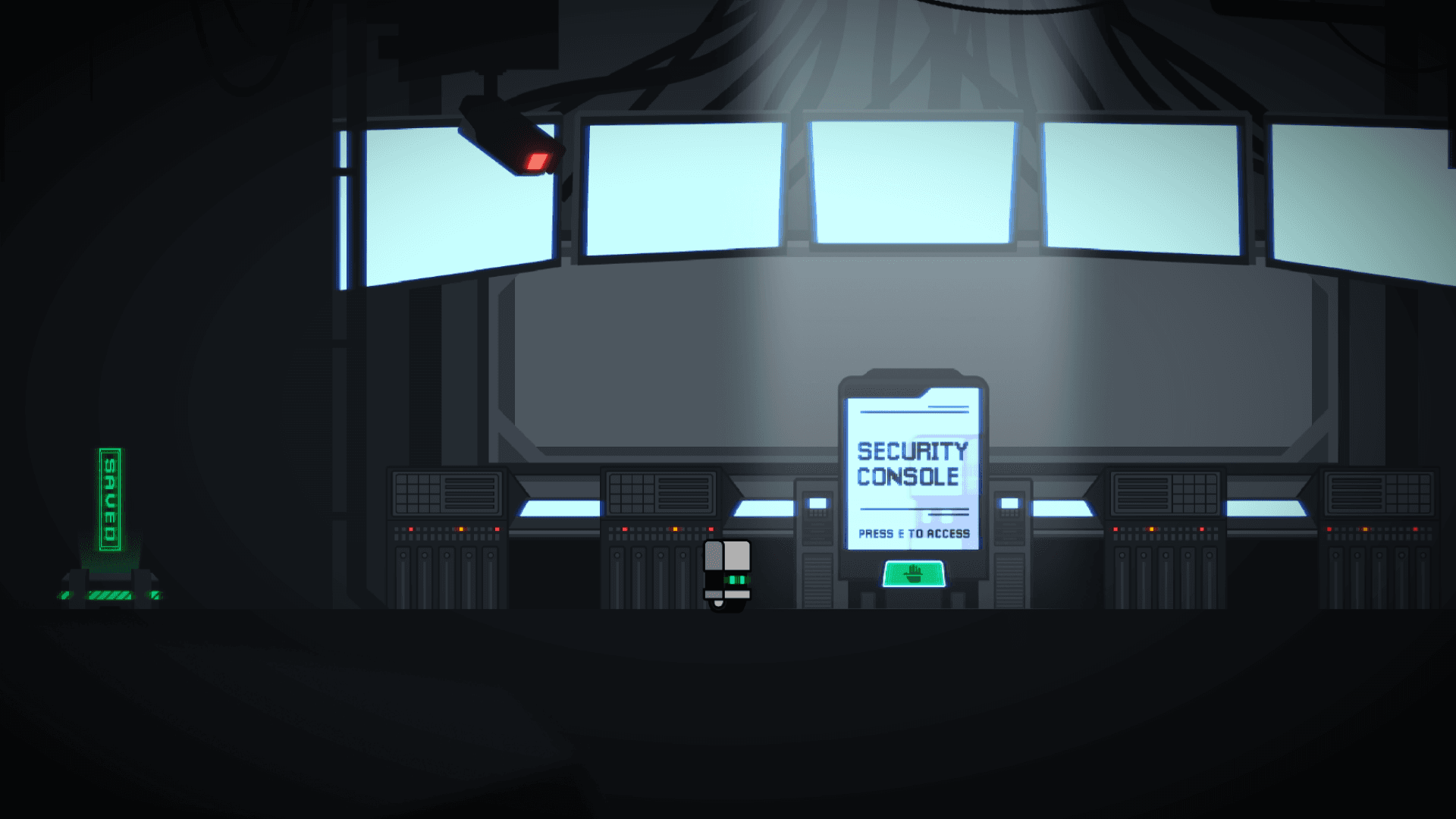
N.A.N.O is a 2D puzzle-platformer where players control a small robot infiltrating a nuclear silo run by a rogue AI. I served as Product Manager, Design Lead, and Art Lead, overseeing a multidisciplinary team of designers and programmers while shaping the game’s mechanics, visual language, and narrative direction. The project focused on delivering mechanically driven puzzles that evolve alongside a slowly unfolding story, without relying on explicit exposition or hand-holding.
Iteration and Teaching through play
To address this, I introduced clearer visual language for conductive elements and restructured early levels to function as implicit tutorials. Mechanics were taught progressively through level design rather than text, allowing players to learn through experimentation. On the production side, I focused on tighter communication loops. This meant regular playtests, clearer documentation, and shared references to keep designers and programmers aligned as features evolved.
Leadership is as Critical as Design Skill
This project reinforced that successful game development is as much about leadership and coordination as it is about mechanics or aesthetics. I learned how quickly design intent can fracture at scale, and how important it is for a lead to actively protect clarity, pacing, and player understanding. Most importantly, N.A.N.O taught me that strong puzzle design emerges from restraint, iteration, and a willingness to simplify.